INTERNATIONAL PLUMBING ENGINEERING
Global Drain Cleaning Standards: Equipment, Jetter Vehicles & Pricing
Drainage engineering and sewer maintenance operate on universal mechanical principles across the globe, yet local infrastructure, equipment availability, and labor dynamics vary dramatically. This technical analysis explores global drain opener tools, vacuum suction vehicles, and drain cleaning pricing in emerging international markets (including South Asia and Pakistan) contrasted with Illinois plumbing standards.
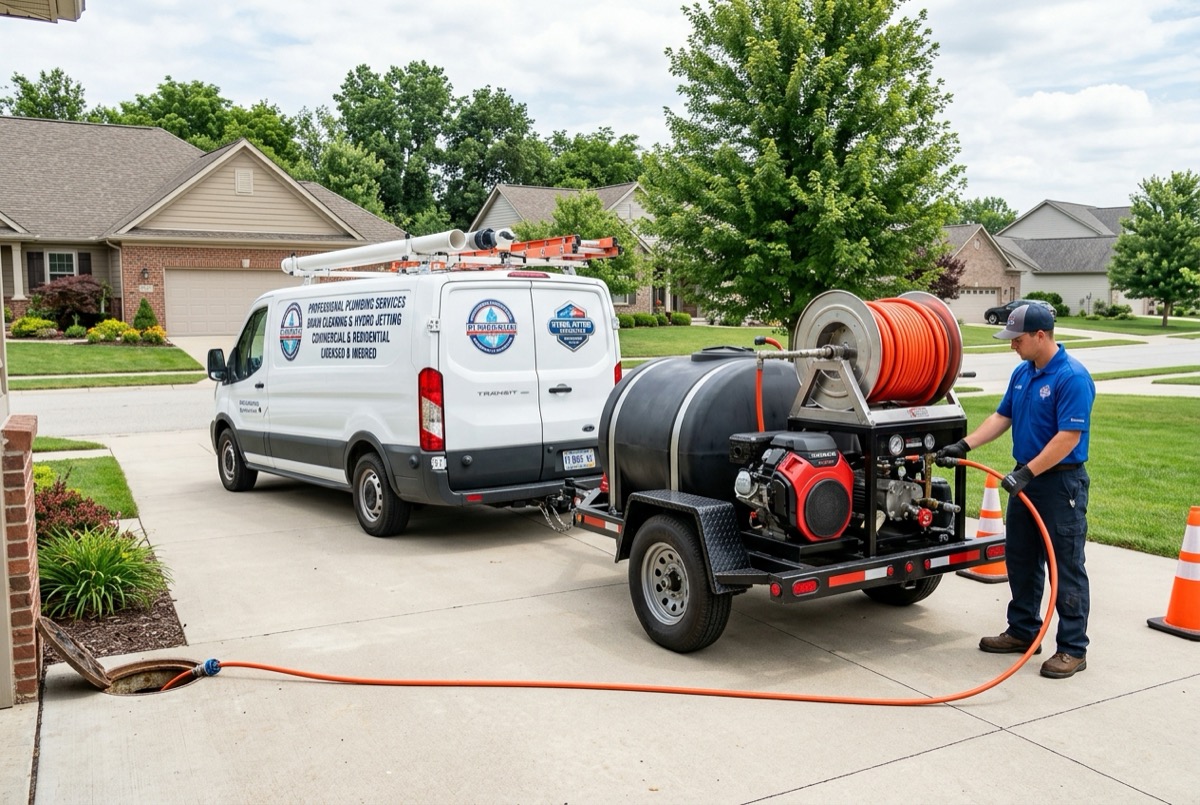
Global Mechanical Analysis
Universal Mechanical Principles of Drainage
Whether navigating a residential lateral in Elgin, Illinois or a commercial drainage canal in Lahore, Pakistan, wastewater drainage obeys universal physical laws: fluid dynamics, gravitational gradient, and non-compressible hydraulic force. Regardless of geography, sewer stoppages fall into three primary categories:
- Organic Soft Blockages: Fats, cooking oils, grease (FOG), hair webs, and food residue.
- Sediment Dams: Road grit, construction silt, sand, and decomposing mineral scale.
- Physical Obstructions: Infiltrating tree roots, collapsed masonry/clay joints, and foreign debris.
Manual Tools & Drain Opener Pumps in Emerging Markets
In developing markets such as Pakistan, residential plumbing systems often feature open gulley traps and shallower subterranean brick-lined laterals rather than deep cleanout-accessible PVC networks. Consequently, specialized mechanical drain opener tools are widely utilized:
- Manual Suction Drain Opener Pumps: High-displacement manual plunger pumps equipped with heavy-duty leather or neoprene cup seals. These tools generate bidirectional vacuum pulses to pull heavy sediment up into catch basins rather than pushing it deeper into unmapped city mains.
- Flexible Bamboo Rodding & Spring Steels: Traditional sectional drain rods fabricated from flexible jointed malacca cane or tempered steel wire, driven manually through sewer manholes to puncture silt blocks.
- Heavy Caustic Solutions: Due to equipment costs, commercial markets frequently rely on concentrated industrial caustic soda flakes (sodium hydroxide). While fast-acting on organic grease, this practice creates severe health hazards for sanitation workers and erodes older concrete pipe networks.
Municipal Jetter Vehicles & Vacuum Suction Tankers
For municipal infrastructure, commercial sewer maintenance in emerging Asian markets is rapidly modernizing through the adoption of combined vacuum-jetter vehicles (suction-cum-jetting units):
- Vacuum Tankers: Equipped with heavy liquid-ring vacuum pumps capable of extracting hundreds of cubic feet of dense sludge, silt, and municipal debris from depths up to 30 feet.
- High-Pressure Jetting Units: Similar to Western trailer jetters, these truck-mounted units deliver 150 to 200 bar (2,200 to 3,000 PSI) water pressure to scour large-diameter concrete storm culverts.
Drain Cleaning Pricing Dynamics: Pakistan vs. Elgin, Illinois
Comparing the economics of drain cleaning between the United States and emerging South Asian markets illustrates how labor costs and capital equipment investments dictate consumer pricing:
| Service Category | Elgin, Illinois (USA) | Pakistan (PKR / USD Equivalent) |
|---|---|---|
| Residential Fixture Snaking | $145 – $240 (USD) | PKR 1,500 – 3,500 (~$5 – $12 USD) |
| Main Sewer Lateral Snaking | $250 – $450 (USD) | PKR 4,000 – 9,000 (~$14 – $32 USD) |
| Commercial Hydro Jetter Truck | $550 – $950 (USD) | PKR 15,000 – 35,000 (~$55 – $125 USD) |
| Primary Cost Component | Licensed skilled labor, insurance, OSHA/IDPH compliance, high-tier machinery. | Physical manual labor; machinery is scarce and concentrated in municipal fleets. |
In Pakistan, drain cleaning prices reflect a labor-intensive market where manual tools predominate and skilled trade labor is priced locally. In Illinois, pricing reflects heavy capital investments in $75,000 service vehicles, $20,000 camera and jetter systems, mandatory $1M liability coverage, and strict state licensing (IDPH 055).
Safety Protocols & Regulatory Codes Compared
The starkest difference between Western municipal standards and developing market practices lies in occupational safety regulations:
- Confined Space Safety: In the United States, OSHA (Occupational Safety and Health Administration) strictly prohibits manual entry into sewer manholes without positive-pressure air ventilation, gas monitors (detecting methane and hydrogen sulfide), and full safety harness retrieval systems.
- Modernization in Emerging Markets: In Pakistan and India, public health advocates and municipal authorities are actively implementing mechanized jetter vehicles and motorized rodding machines to eradicate hazardous manual scavenging and modernize urban sanitation standards.